MISSION
Put video, sensors and AI into systems operations can run — on fleets, sites and streets.
› Systems that have to stay in service
 GAUCHO AUSTRALIS
Fleets · Energy · Mining · City
Gaucho Australis works on fleets, energy, mining and the smart, safe city. Government and high-security programs when the work requires it. We consult, we install a working system, or we source the factory and the product. Cameras, sensors and AI become something operations can run.
Put video, sensors and AI into systems operations can run — on fleets, sites and streets.
Streets, sites and fleets that stay in service. Fewer pilots. The client still owns the system at day ninety.
Field-first design. Vendor-agnostic architecture. Evidence over slides. Delivery you can operate.
Gaucho Australis at a glance
The firm
Gaucho Australis is the firm of record for fleets, energy, mining and the smart, safe city. Government and high-security work when the program requires it. We consult, we deliver an installed system, or we source the factory. Cameras and sensors have to become an operating system — not a graveyard of pilots.
We stay close to the stack: architecture, product selection, edge and site design, integration with the systems operations already run, and the commissioning that puts a live system in service.
Write to the firm →The system
Video, AI, and IoT only create value when they share context — the same identity, the same map, the same incident clock.
We fuse AI-powered video analysis with connected sensors so cameras stop being a recording archive and become an operational system. Events carry location, asset identity, and a next action — not just a bounding box.
Follow vehicles, containers, tools, and high-value equipment across yards, depots, and corridors. Video identity is tied to IoT tags and fleet IDs so operations see where an asset is, how long it has been idle, and whether it left an authorized zone.
Use visual inspection plus vibration, temperature, and duty-cycle sensors to catch wear before a vehicle or roadside asset fails. Models flag leaks, misaligned doors, damaged guards, or abnormal dwell so maintenance is scheduled, not improvised.
Automate exception workflows: occupancy, queue length, dock occupancy, PPE compliance, and process steps that today depend on a person watching a wall of screens. Insights land in the same queue the operator already uses.
Benefit: real-time insight and automated workflows, with edge inference where bandwidth or privacy requires it.
We design intelligent transportation systems for cities, transit agencies, and commercial fleets — from the depot to the curb — so movement is measured, predicted, and managed on one clock.
Corridor and intersection insight from video and roadside sensors: occupancy, turning movement, spillback, and near-miss patterns. Used to brief signal timing, work-zone staging, and special-event plans with evidence instead of anecdote.
Onboard and wayside video fused with AVL/CAD: crowding, dwell, bunching, stop-level safety, and operator assist. Designed so scheduling, safety, and customer-experience teams share the same event, not three exports.
Logistics and field-service fleets get video + telematics as a single case file: route adherence, harsh events, cargo status, and yard flow. Improves safety scores and last-mile reliability without a second operations screen.
Benefit: less delay, fewer blind spots between safety and operations, and a system that still works when the next vendor changes.
Public-safety and emergency-management programs that help cities monitor urban space, reach an incident faster, and raise the baseline of resident well-being — without treating every camera as an open feed.
Policy-aware coverage for streets, parks, transit hubs, campuses, and critical facilities. Detection is tuned to the event types a city will actually act on: crowding, perimeter breach, abandoned objects, traffic conflict — not an unbounded watchlist.
A shared incident layer for traffic, transit, and public safety: the same map, the same clock, the same evidence package for the PSAP or command center. Operators see what happened, where, and who owns the next step.
Safer streets and venues with retention, access, and audit designed in from day one. Programs are built so a city can explain the system in public — what is collected, for how long, and under which policy.
Benefit: faster, cleaner response and a privacy posture that can survive council, counsel, and the next election.
How we engage
Requirements, architecture and selection. What the operation needs, not what a catalog wants to sell. The client keeps the dossier.
A working system on site: design, product, integration, commissioning. The client buys a result in the field.
Factory and product when Gaucho is not the manufacturer. Comparison, shortlist, technical offer — not a single-brand package.
At ninety days: a runbook, a queue owner, who holds the keys, who watches the model. The system stays with the client. Crux does not become a second operations room.
Capabilities
We start from what is already live. If it has an API, a file drop or a working protocol, it enters the picture. New product only when the installed base cannot do the job.
Where we work
Selected work
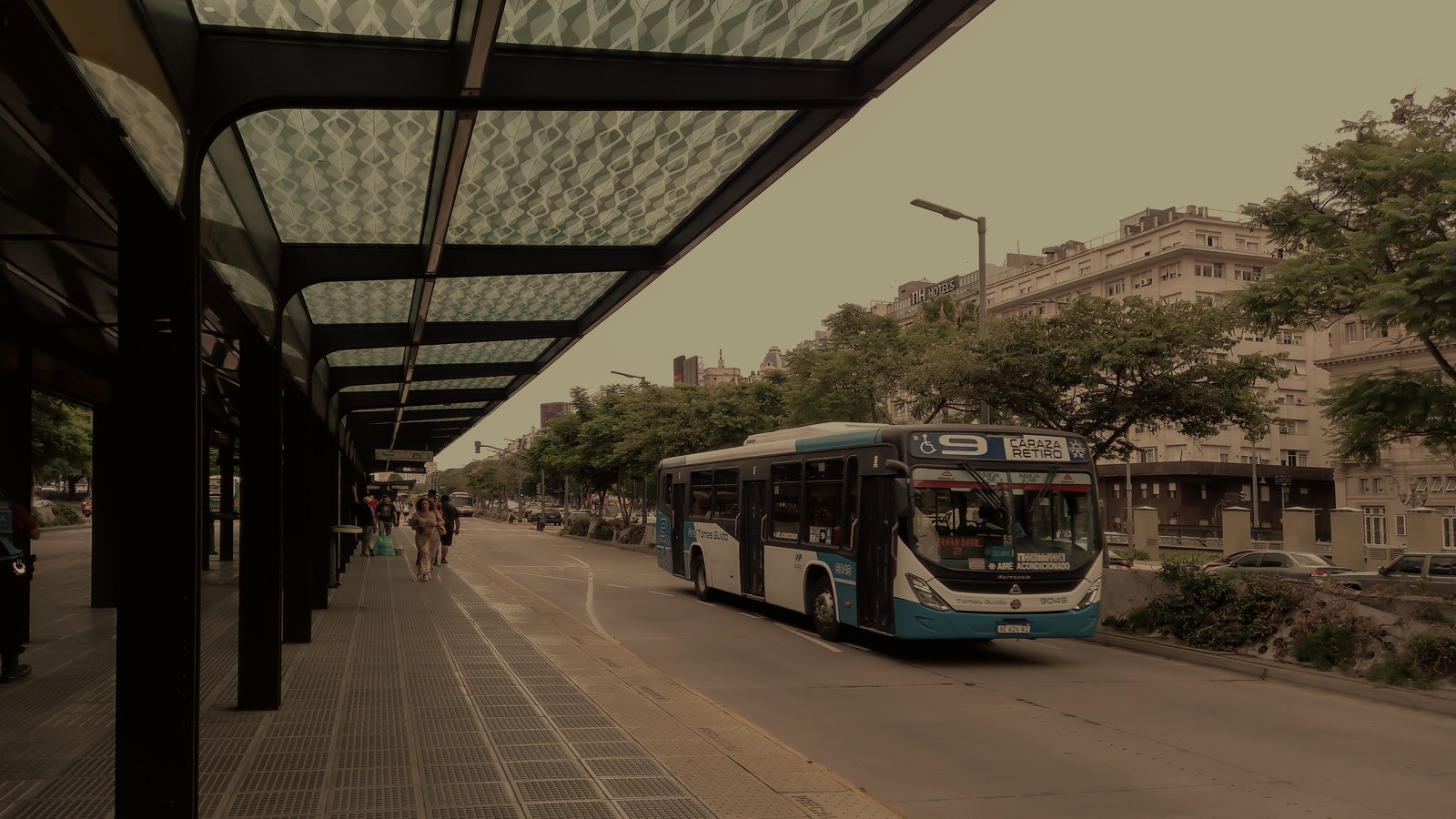
Solution design for bus stops inside a Safe City program in Argentina, together with city video and AI: detection tuned to events the city will act on, and a shared operating picture for streets, stops and public space.
Stops: passenger information, lighting, occupancy, emergency request, and the procedure for who receives an alert. City layer: cameras, algorithms and retention rules so a stop event and a street event land on the same desk.
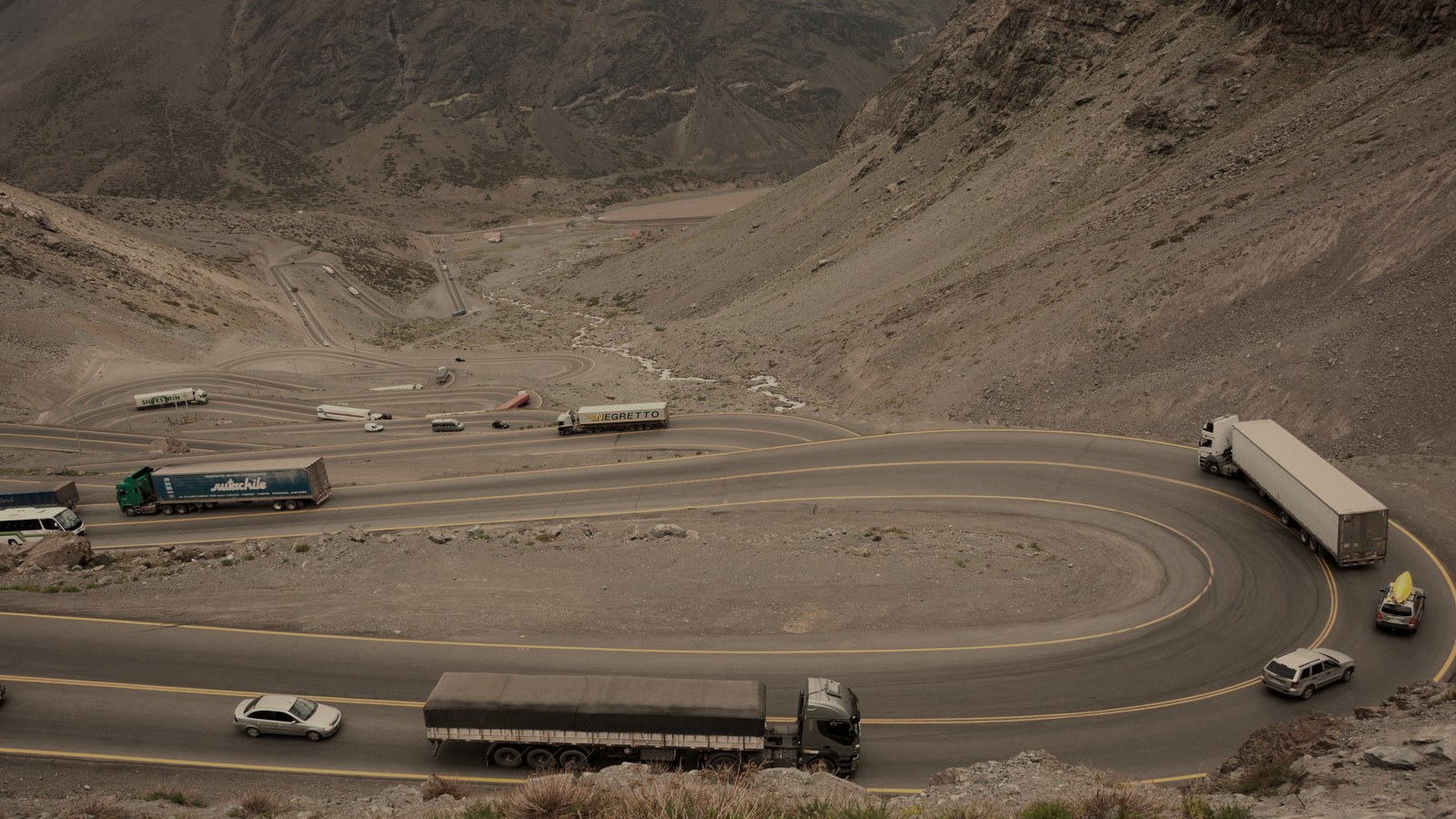
A private company was bidding into a border-security program and needed a technical position before choosing equipment. Scope covered video, sensors and scanners, plus deployment of the scan point: siting, vehicle flow, power, enclosure and operation.
We mapped the problem by crossing type and terrain, compared options against that baseline, and delivered a vendor-neutral architecture with a technical dossier for the bid.
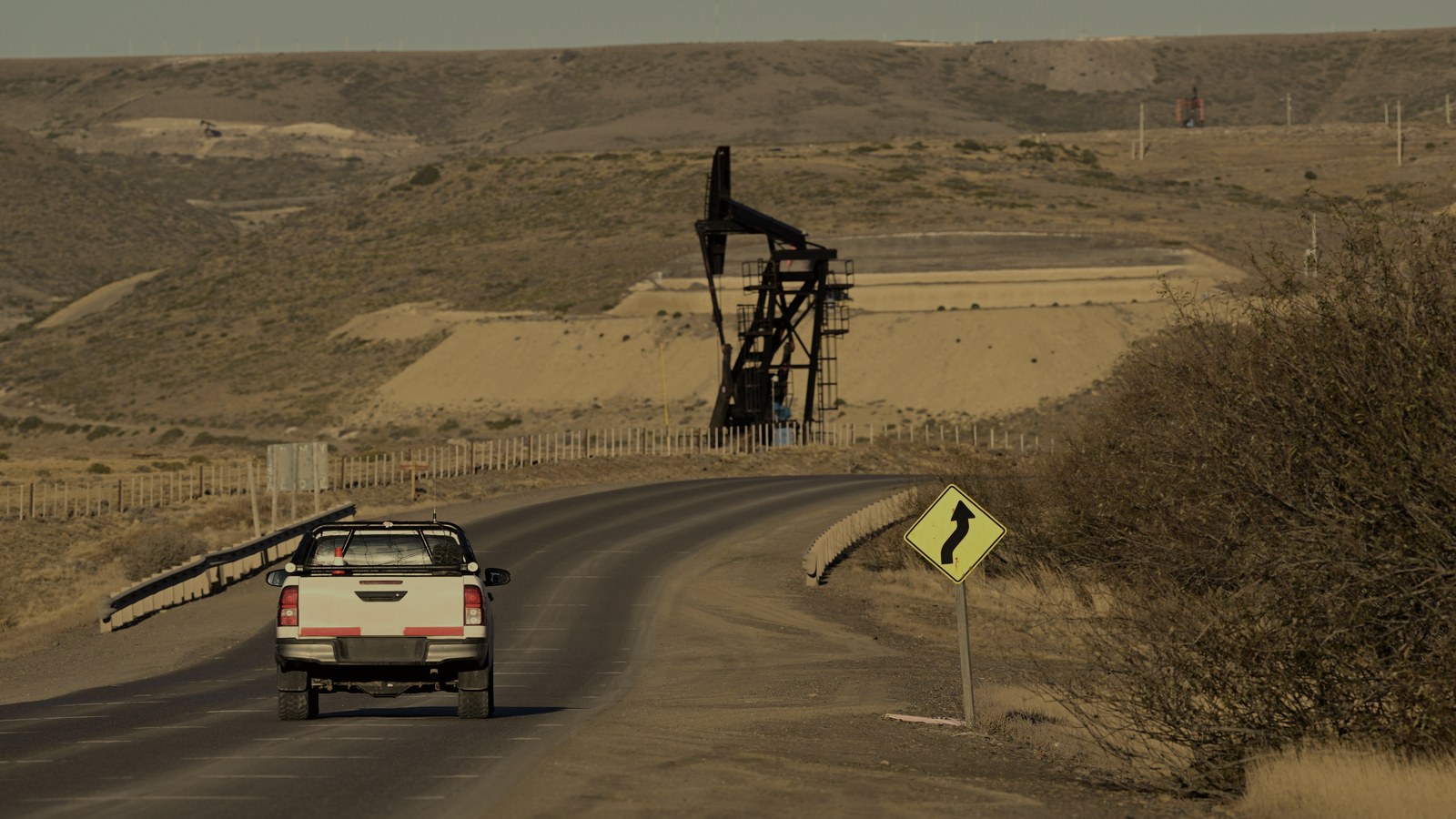
Solution for an oil and gas vehicle fleet in Argentina. Onboard video and vehicle data in one operating file: route, hours, harsh events, access to site and what happened on the road — used by operations and HSE, not by two separate screens.
Specified for field conditions: long hauls, night runs, contractor vehicles and a yard that cannot wait for a clean network.
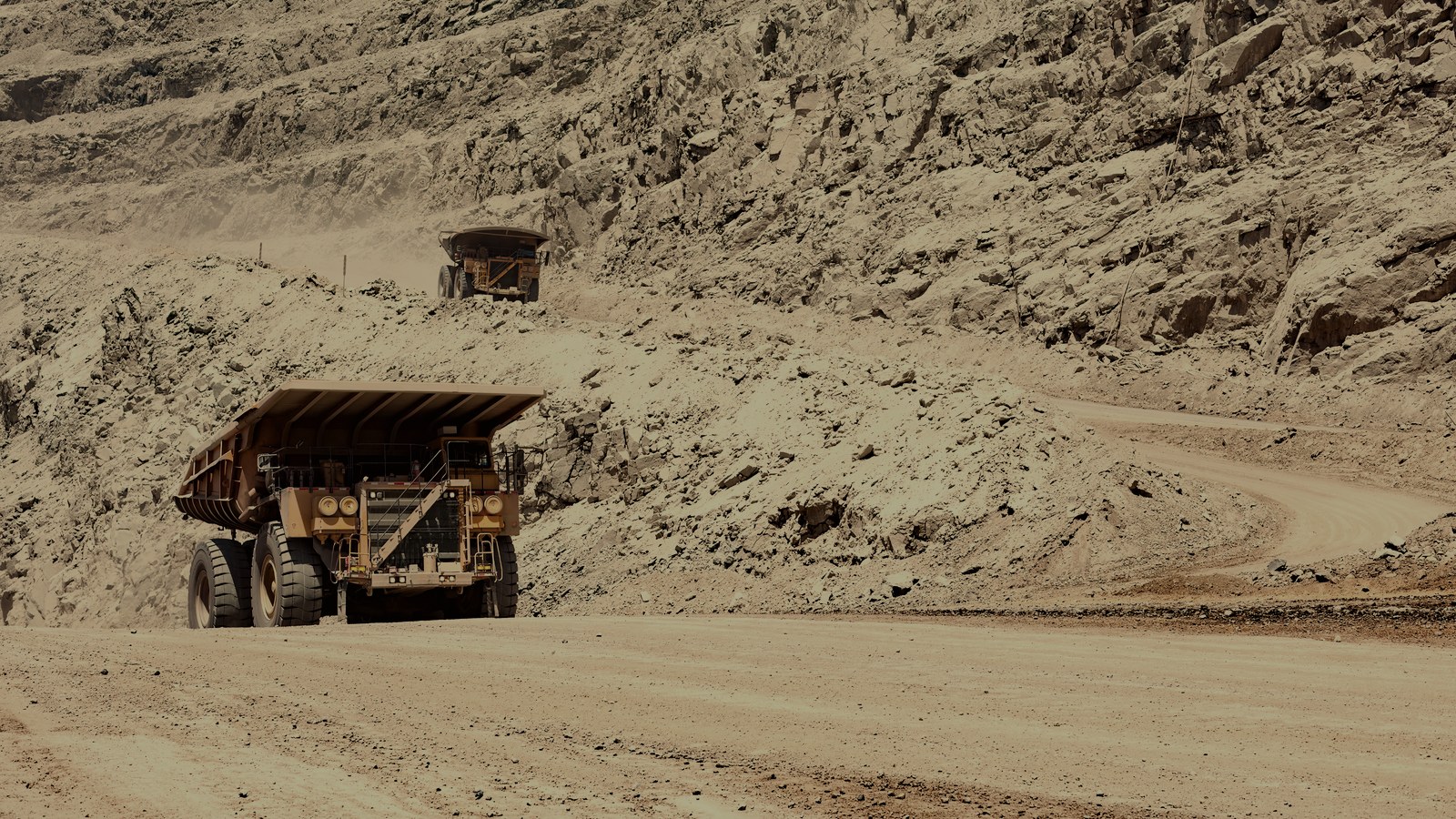
Solution for a mining logistics fleet in Chile. Fatigue and driver monitoring on haul and service vehicles: cabin video, alerts to the supervisor and a case file for HSE — hours, events and the stretch of road where it happened.
Specified for long cycles, night shifts and contractor trucks that enter the same pit road as the company fleet.
Crux
Crux is the delivery unit of Gaucho Australis: one select team for architecture, field, install and sourcing. You contract the firm, not a name on this page. Names go in the statement of work.
Reference design, interfaces, retention and the operating picture. What gets built, and what does not.
Survey, scan-point layout, stop and curb conditions, commissioning. The work that only exists on the ground.
Integration, go-live, runbooks, hypercare. When the client buys a working system, this desk owns the last mile.
Factory and product when Gaucho is not the manufacturer. Comparison, shortlist, technical offer — vendor-neutral.
Presence
Field teams are assigned where the program needs them. The contracting party is The Gaucho Project LLC, trade name Gaucho Australis.
Argentina · Headquarters & engineering
Julian Navarro 5230
C1419 Buenos Aires, Argentina
The Gaucho Project LLC · North America
1209 Mountain Rd Pl NE, Ste R
Albuquerque, NM 87110, USA
Let’s talk
The firm answers within one business day. The contract is with The Gaucho Project LLC. Describe the decision and the constraint.